

Scaling the Saudi consumer basket
Saudi Arabia’s retail and consumer-goods market is being reshaped by the way consumers discover, assess and choose products. More of that journey now takes place through digital channels, so brands and retailers need to be visible where consumers are looking. This report examines TikTok’s role in that shift and how activity on the platform connects to the Kingdom’s wider retail economy.
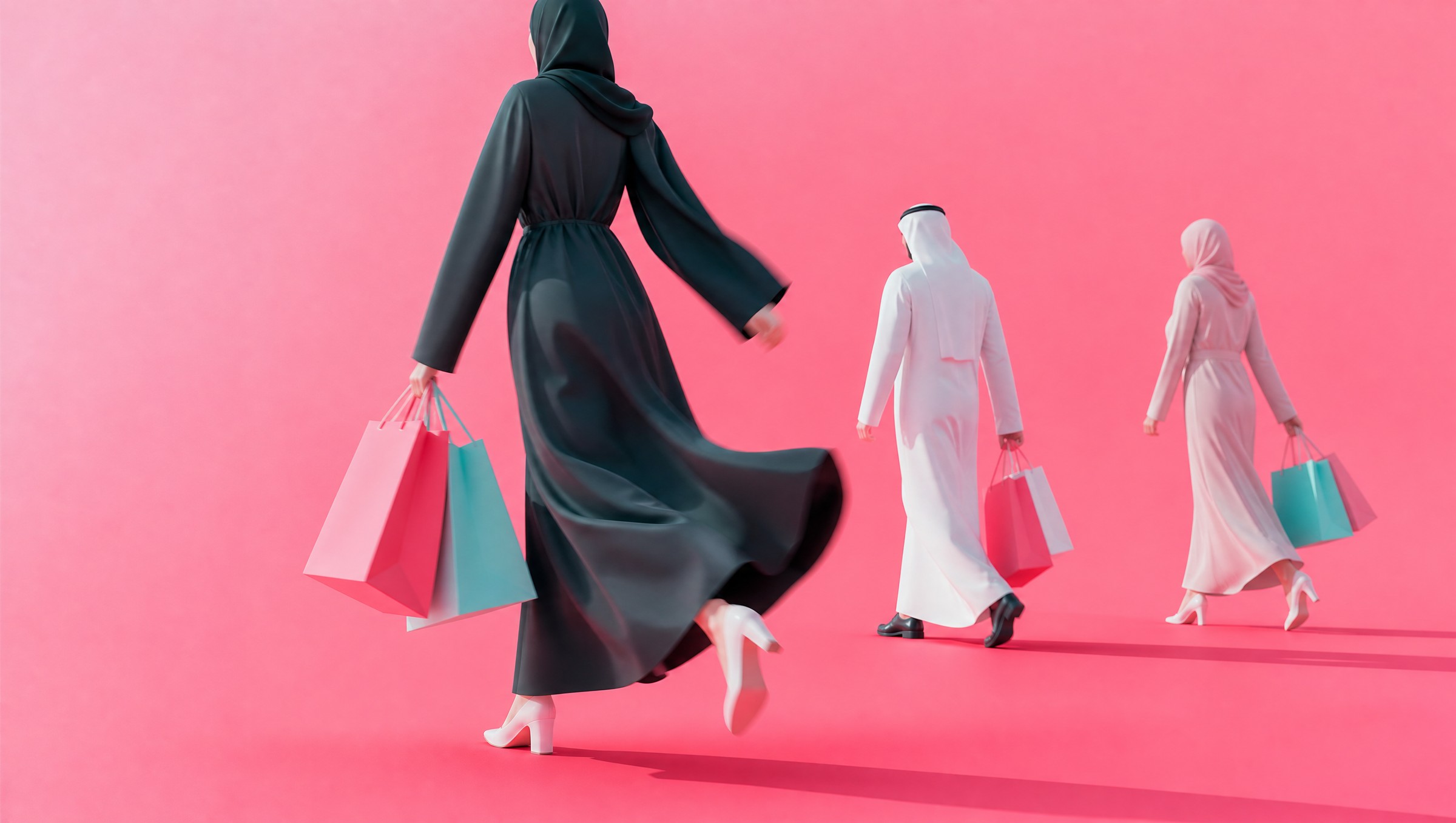
shoppers find and decide on products on TikTok.
TikTok carries Saudi shoppers from discovery to advocacy, from the first time they see a product to the moment they tell someone else about it.
of internet users discover products on TikTok when deciding what to buy
of internet users say content on TikTok helped them trust a new product
of internet users say TikTok influenced where they choose to buy
of internet users have posted on TikTok about a product after buying it
Share of Saudi internet users and shoppers who name TikTok at each stage of the purchase journey. Sources: GASTAT, Redseer survey, Redseer analysis.
The economic impact of retail businesses in KSA using TikTok
Estimates for seven retail and consumer sectors, 2025Retail contribution to GVA in 2025
Jobs supported by retail activity on TikTok
Revenue uplift for businesses marketing on TikTok, 2025
Share of sales through TikTok, by sector
Source: Redseer analysis.
Digital discovery is changing how Saudi consumers shop
of shoppers discover products through digital media.
Saudi Arabia’s diversification has widened the range of businesses and brands competing for consumers. For that growth to last, new supply needs to be matched by demand.
This is particularly important for newer Saudi brands and smaller businesses. Established companies can draw on familiarity and an existing customer base. Newer businesses have to earn consideration first, and digital discovery gives them a way to show consumers what they offer.
Among shoppers who discover products through digital media, 76% name TikTok as one of the platforms they use, more than any other platform. That places TikTok at the point where shoppers first decide which products and brands are worth considering.
Exhibit 1 · Digital media is an important source of product discovery, with TikTok leading within it
Left: channels shoppers use to discover products. Right: of those who discover products through digital media, the share who do so on each platform. % of respondentsSource: Redseer survey.
TikTok’s role extends from attention to purchase decisions
of internet users say TikTok has helped them trust a product they had not tried.
Source: Redseer survey.
In Saudi Arabia, TikTok was used by 87% of internet users in the past year. For retailers, that attention matters most when it carries through into what people buy.
TikTok’s lead over the next platform grows as shoppers get closer to buying: 16 percentage points at discovery, 18 when they look for more information and 20 when a platform influences the purchase. Asked for the single platform that influenced their purchase most, 48% name TikTok, against 17% for the next platform.
Trust matters most for products a shopper has not tried before. Product demonstrations, unboxings and try-ons are the TikTok content cited most often for building that trust, followed by other customers’ experiences in the comments. Women report a stronger effect: 70% say TikTok helped them trust a new product, compared with 58% of men.
Exhibit 2 · TikTok’s lead over the next platform widens from discovery to purchase
Share of shoppers using digital media at each stage who name each platformTikTok, against 60% for Platform 2
TikTok, against 56% for Platform 2
TikTok, against 51% for Platform 2
Source: Redseer survey.
Smaller sellers face a different challenge. Shoppers may not know their name or reputation, and these businesses often have little physical distribution. Seven in ten internet users discovered a micro-seller, a business run from home or a small store, through digital media in the past twelve months. Two thirds of them did so on TikTok, equivalent to close to half of all internet users.
Buying from an unfamiliar seller raises questions about quality, authenticity, payment and delivery. Among shoppers who discovered a micro-seller, 72% say content on digital media helped address those concerns, and TikTok was the platform credited most often.
Exhibit 3 · 38% of shoppers who discovered a micro-seller on TikTok went on to buy
Actions taken after discovering a micro-seller on TikTok, % of respondents.
Source: Redseer survey.
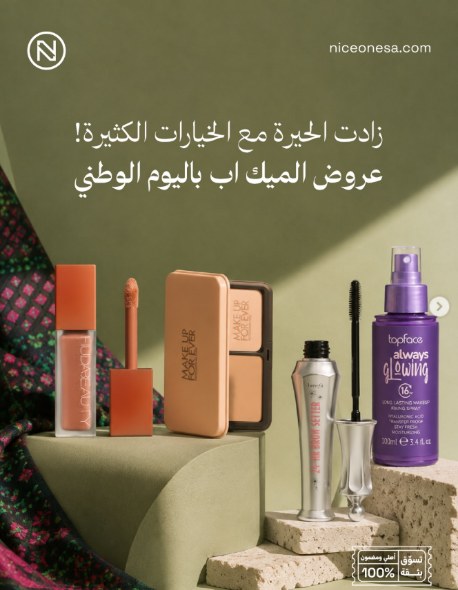
Nice One | Being present when the shopper goes looking
uplift in organic search
engagement rate
Nice One was founded in Riyadh in 2017 by brothers Omar and Abdulrahman Al Olayan as a self-funded online beauty store. It is now the Kingdom’s largest beauty e-commerce platform, with more than 28,000 products from over 1,200 brands and four million registered customers. It listed on the Saudi Exchange in January 2025.
The objective on TikTok:
For Black Friday 2025, Nice One wanted to reach shoppers while they were searching for products. It built a Branded Search Hub inside TikTok’s search results, with 30 curated videos that combined creator posts and the brand’s own product footage.
The result:
Organic searches for Nice One rose by 75% during the campaign. The Search Hub recorded a 46% engagement rate, average viewing time was 32% above the Saudi benchmark, and net sentiment towards the brand rose by 25%.
Sources: TikTok for Business, company disclosures.
The purchase journey crosses channels and continues beyond the sale
Saudi shoppers do not always follow a single route from discovery to purchase. Only around a third rely on the same one or two sources throughout. The rest move between content, reviews, retailer apps and marketplaces as they decide what to buy.
Deciding what to buy is only part of the purchase decision. Shoppers also choose which seller to buy from and whether to buy online or in store. Nearly six in ten internet users say TikTok influenced where they completed a purchase. Price and promotions were the most common reason, and TikTok also helped shoppers find sellers they did not know and compare shipping and availability.
The purchase does not always end the journey. Thirty-five per cent of internet users posted on TikTok about something they bought in the past year, including first impressions and unboxings. Those posts can become another shopper’s point of discovery.
Exhibit 4 · A purchase can create the next discovery moment on TikTok
Share of Saudi internet users reporting TikTok at each stage of the purchase journeyshoppers find and decide on products on TikTok
of internet users discover products on TikTok when deciding what to buy
of internet users say content on TikTok helped them trust a new product
of internet users say TikTok influenced where they choose to buy
of internet users have posted on TikTok about a product after buying it
Sources: GASTAT, Redseer survey, Redseer analysis.
Much of the content that shoppers say influenced a purchase comes from creators and other users. Together they account for around seven in ten purchase-influencing posts, and creators alone for close to half. Most of these posts are practical: demonstrations, comparisons, first impressions and recommendations.
The pattern differs by audience. Women and shoppers under 30 are more likely to say creator content influenced their purchase. Men and shoppers aged 30 and over more often name content from brands or retailers. Creator partnerships may therefore matter more when reaching women and younger shoppers.

Al Khaleejion Kitchens | Turning views into showroom footfall
increase in showroom visits
views
Al Khaleejion Kitchens is a Saudi kitchen and home business founded in 1993. It designs modular kitchens for homes and commercial spaces and runs showrooms in Dammam, Riyadh and Jeddah. Customers usually complete their purchase in person, so showroom traffic is central to the business.
The objective on TikTok:
The brand was already using its organic account to show completed projects and customer experiences. For an end-of-season campaign in 2024, it set out to build awareness and increase showroom visits. It promoted its best-performing organic posts through Spark Ads, used TopView placements and partnered with three home and interior-design creators.
The result:
The campaign generated 5.8 million views and reached 3.2 million people. The advertiser reported a 29% increase in showroom visits.
“When we used TikTok in our marketing strategy, we saw strong results. Its creative, fast-moving format helped us drive engagement, increase brand awareness, and generate more footfall.”
Source: TikTok for Business.
TikTok helps new products gain traction and supports product use after trial
of internet users say TikTok motivated them to try a product they had not used before.
Source: Redseer survey.
Trends can bring new products and formats into wider consideration. On TikTok, 38% of internet users say the platform introduced them to a new product format or variant.
The influence of trends is not limited to younger shoppers. Among those motivated to try a product through TikTok, shoppers aged 30 and over are more likely than those aged 16 to 29 to cite a trend or seeing many others try the product. The response to a product can also show brands early which ideas are attracting interest, before they commit to larger production volumes.
Shoppers most often say TikTok led to a first trial by introducing a product they did not know about. This is particularly relevant for newer products and brands trying to win their first customers. Women are more likely than men to say TikTok motivated them to try something new.
TikTok can also help consumers understand how to use a product once they have tried it. 62% of internet users say content on the platform helped them use a product better, through step-by-step demonstrations and practical tips. TikTok leads the next platform by 19 percentage points for first trial and by 22 points for product guidance.
Exhibit 5 · Product discovery is the leading reason shoppers report trying something new
How TikTok motivated shoppers to try a product for the first time, % of respondentsSource: Redseer survey.
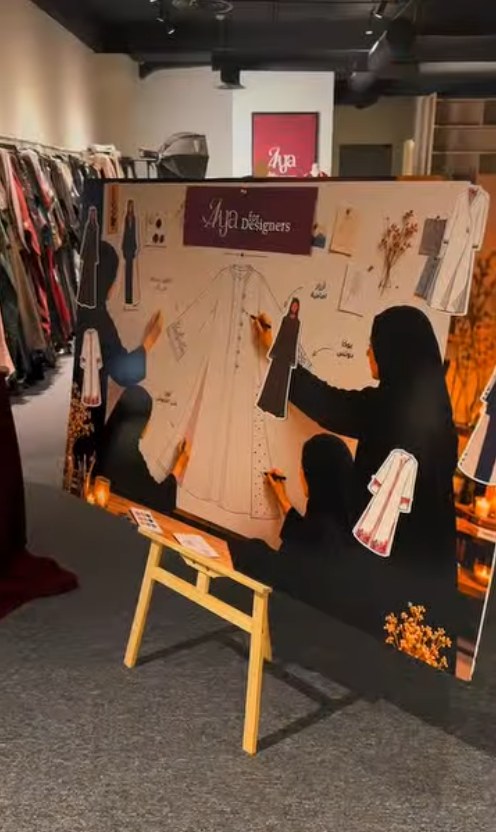
Aya | Using customer response to guide production
designs tested a month
year-on-year growth
Aya was founded in Riyadh in 2024 by Munira Al Kadi and Abdulrahman Al Ammar. Its model is built around testing a large number of modest-fashion designs before scaling production. The company tests more than 700 designs each month and works with a distributed manufacturing network to produce the designs that show stronger demand.
The role of TikTok:
Aya uses short-form content and engagement data to follow emerging styles and see which designs attract customer attention. This gives the business another source of feedback before it commits to larger production volumes.
Company growth:
In under two years, Aya has grown to more than 60 employees, served over 100,000 customers and reported nine-fold year-on-year growth.
“We started with two employees, and now our team has grown to 60 people working in marketing, photography and trend analysis.”
Sources: TikTok, Wamda, Inc Arabia. Company growth figures are not attributed solely to TikTok.
TikTok’s retail impact extends across businesses, creators and jobs
in value added supported across seven retail and consumer sectors in 2025, with around 28,000 jobs.
The commercial activity associated with TikTok has a wider economic footprint. Redseer estimates SAR 4.8 Bn in revenue uplift for businesses across seven retail and consumer sectors in 2025. That activity supported value added and jobs in the businesses themselves, in their suppliers and in the wider economy.
Small and medium-sized businesses account for 45% of the value added and 46% of the jobs supported. Beauty and personal care and clothing and accessories carry the largest shares.
Exhibit 6 · TikTok-supported activity in Saudi retail and CPG, 2025
GVA supported, SAR Bn, and jobs supported, by type of effectIn the businesses selling through TikTok. Around 17,000 jobs.
In their suppliers. Around 8,000 jobs.
From wages spent in the wider economy. Around 3,000 jobs.
Source: Redseer analysis.
Exhibit 7 · Beauty and clothing carry the largest shares of the footprint
GVA supported by TikTok, by sector, SAR Bn, 2025, with jobs supportedSource: Redseer analysis.
Saudi Arabia’s localisation agenda is expanding the range of products developed and made in the Kingdom. Programmes such as Saudi Made can strengthen recognition of domestic products, but local brands still need consumers to find them and buy from them. TikTok gives Saudi brands another route to that demand.
Retail is also a major part of TikTok’s creator economy. Creators help products and businesses reach consumers, and some go on to build commercial ventures and teams of their own.
of internet users discovered a Saudi homegrown brand on TikTok in the past year
of those went on to make a purchase
TikTok creators in the Kingdom have more than 100,000 followers
of creators surveyed have posted retail-related content
Sources: Redseer survey, Modash.io.

Misho Baeshen (@misho_baeshen) | From home kitchens to culinary fame
TikTok followers
restaurant employees
Hisham “Misho” Baeshen began food blogging in 2014 and built his early cooking content from a SAR 200 home kitchen. A decade later, he is one of Saudi Arabia’s largest food creators, with more than 3.7 million followers on TikTok and two restaurants.
Recipes into baskets:
Baeshen’s content makes food practical and shoppable. Recipes, ingredient lists and preparation methods give followers repeated reasons to buy ingredients and cookware.
From content to restaurants:
In 2023, Baeshen opened Fi Glbak in Riyadh, a restaurant built around food and ideas familiar to his online audience. In March 2025, he announced the first Riyadh branch of Bajmrah, a second restaurant brand. He has also worked with TikTok on Ramadan programming, including Saudi-inspired dishes for TikTok’s 2025 Drive for Good initiative.
“When I started on TikTok, my team had 6 people, and it has now grown to more than 16 people. In the restaurant business, I now have more than 160 employees across the restaurant chain.”
Source: TikTok. Follower count as of August 2026.
Turning digital discovery into retail growth
Saudi Arabia’s diversification depends on businesses finding lasting demand for what they offer. Digital discovery helps brands and retailers build that demand by making their products easier to find and understand. This is especially valuable for newer brands and smaller sellers, which can compete for customers before they have wide recognition or distribution.
On TikTok, demonstrations and experiences shared by creators and customers help shoppers assess products and gain the confidence to try them. Practical guidance then helps buyers use what they bought, and the experiences they share give other shoppers a reason to consider it. Redseer’s estimates of revenue and jobs supported show that this commercial activity has measurable economic value.
The significance for Saudi retail lies in who gets the opportunity to grow. By helping unfamiliar products become informed choices, digital discovery can give more businesses a chance to earn customers.
Its lasting contribution to diversification is helping more Saudi businesses move from having a product to having a market.
How these figures were built
Every figure in this chapter is documented in the series methodology, covering the survey, bases, model and exclusions.
The TikTok Effect is Redseer’s series on TikTok’s contribution across Saudi Arabia, spanning economy, upskilling, retail and CPG, and sport and tourism. This edition looks at how Saudi consumers discover and choose products on TikTok, and how that activity connects to the wider retail economy.
Principal sources: Redseer survey · Redseer analysis · GASTAT · IMF · TikTok · TikTok for Business · Modash.io.